Directive 8020: Dark Pictures’ scariest yet drops co-op
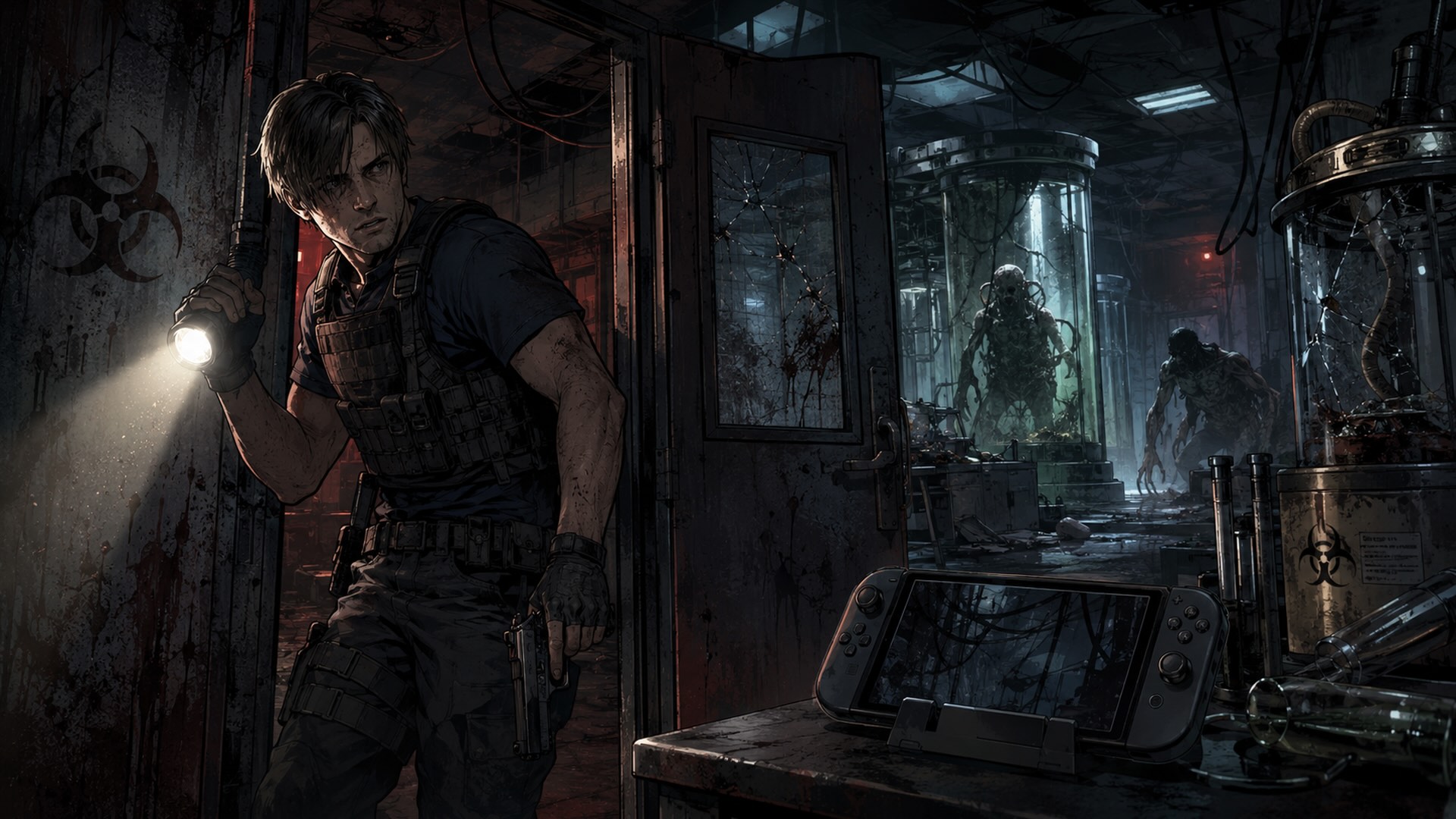
Supermassive Games released Directive 8020, a sci‑fi entry in The Dark Pictures Anthology that emphasizes stealth and single‑player play and removes the series’ cooperative mode.
Supermassive Games has released Directive 8020, a science‑fiction horror entry in The Dark Pictures Anthology that emphasizes stealth and single‑player play while removing the franchise’s traditional cooperative mode. The studio is based in England and released the game after nearly four years since the last anthology installment.
Gameplay shifts include a heavier focus on stealth sequences, fewer collectible documents and fewer quick‑time event cutscenes than earlier series entries. Players can press a button for an on‑screen objective marker. Stealth encounters require moving past searching enemies, triggering remote distractions and hiding during patrols. The title reuses several character models from previous Supermassive releases with new voice performances.
Directive 8020 does not include the Curator’s interludes and lacks true cooperative play. A ‘‘movie night’’ mode remains, but the structure favors a more linear, cinematic presentation rather than extended exploration and branching documents found in prior anthology games.
The narrative centers on paranoia and infiltration in an isolated outpost, with themes of imposters and doubt about who is human. Lashana Lynch leads the cast. The story uses nonchronological jump cuts; elements of suspicion about character identity become prominent in the final third of the game.
A review rated Directive 8020 8 out of 10. The review noted that the game produced sustained tension in its stealth sections, called the presentation and visual quality an improvement over recent studio releases, and reported stable performance in 120Hz balanced mode on a PS5 Pro. The same review said the stealth mechanics offered limited depth and that frequent stealth segments and the lack of co‑op reduced replay appeal.
The publisher provided a digital review copy. The evaluation was conducted on version 1.000.004.
The content on our website is provided for informational purposes only. We strive to keep our news accurate and up to date, but we cannot guarantee its completeness, reliability, or absolute accuracy.
ps5.news is not responsible for any errors, omissions, or decisions made based on this content. Any actions you take after reading our materials are at your own risk. Always verify important information through official sources where possible.
Articles by this author