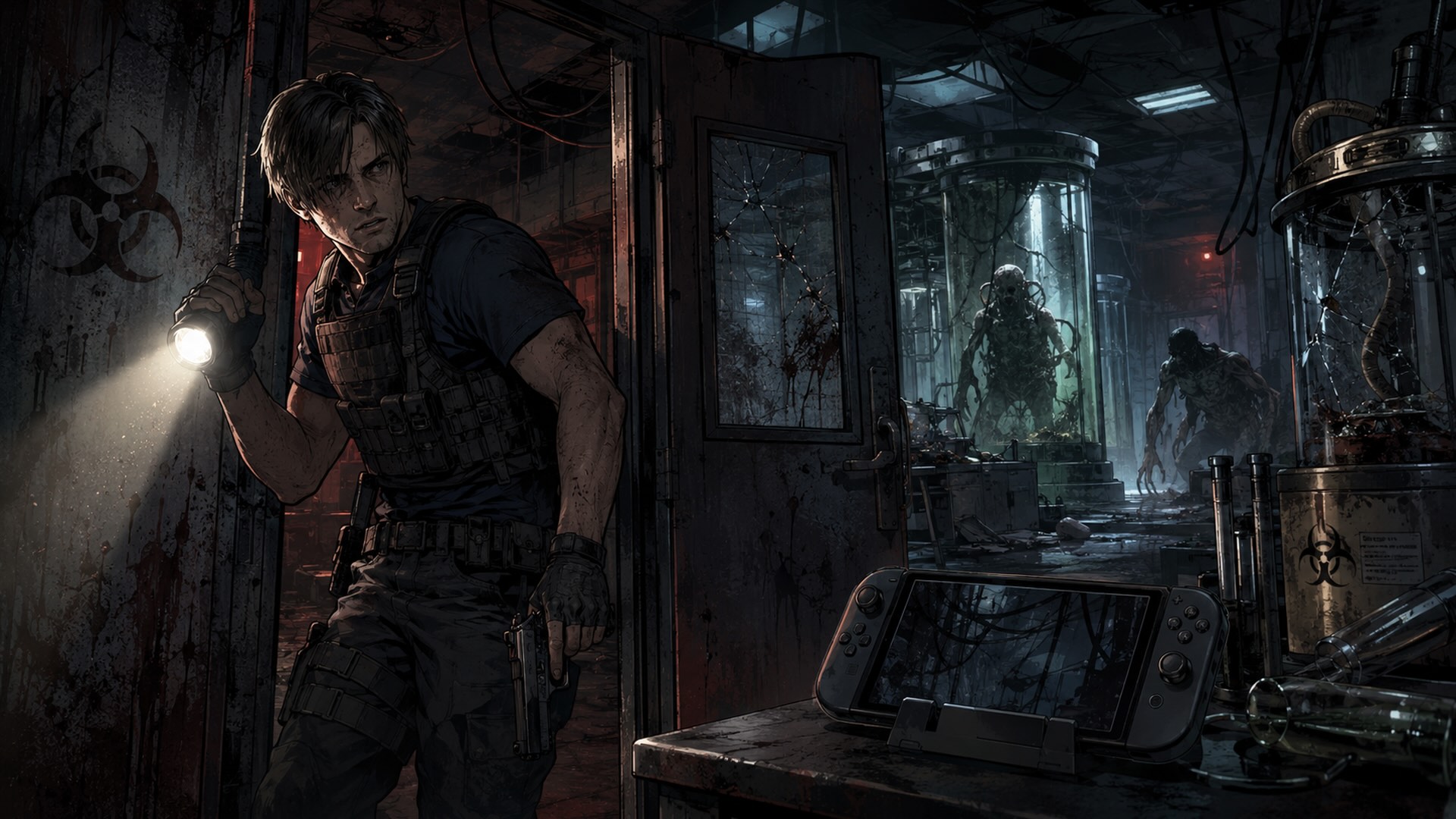
Directive 8020’s Xbox Reviews Praise Stealth, Note Flaws
Early reviews of Supermassive Games’ Directive 8020, due on Xbox Series X|S May 12, praise new stealth mechanics, presentation and performances but criticize its length and familiar beats.
Directive 8020, a sci-fi horror title from Supermassive Games, arrives on Xbox Series X|S on May 12. Early reviews highlight new stealth mechanics, a branching Turning Point system and higher production values, while noting problems with length, repetition and some narrative choices.
Reviewers described the game as a standalone entry that moves the developer’s anthology-style horror into a deep-space setting. The release adds stealth sections, a mechanic that alters branching paths at key moments, and expanded cinematic presentation. Critics and reviewers noted improved visuals and tighter technical presentation compared with prior entries.
Praise focused on atmosphere, specific set pieces, cast performances and the Turning Point mechanic’s ability to change outcomes. One review called the title “a love letter to the space horror,” and another described it as “everything you could want from a sci-fi horror game” in terms of tone and spectacle. Reviewers also flagged effective dialogue choices and moments where quick-time events and the cold, isolated environment increased tension.
Criticism clustered around pacing, originality and difficulty balance. Several assessments said the campaign felt longer than necessary and repeated familiar genre beats. Some reviewers reported that expanded stealth and resource-management segments felt uneven, with more opportunities to fail due to stealth than from branching-story choices. A common concern was that easy access to scene trees and replay tools can reduce suspense on a first playthrough.
Early review scores showed a wide range, with individual ratings spanning from high marks to middling scores. Aggregate ratings placed the game in the low-to-mid 70s. Directive 8020 will be available on Xbox Series X|S on Tuesday, May 12, and early coverage documents both technical and tonal elements that reviewers praised and specific mechanical and pacing issues they criticized.
The content on our website is provided for informational purposes only. We strive to keep our news accurate and up to date, but we cannot guarantee its completeness, reliability, or absolute accuracy.
ps5.news is not responsible for any errors, omissions, or decisions made based on this content. Any actions you take after reading our materials are at your own risk. Always verify important information through official sources where possible.
Articles by this author