Japanese Developers: Recreating China’s PS5 Gacha Is Impossible
Japanese developers say Hotta Studio’s PS5 gacha NTE cannot be reproduced in Japan because of the game’s scale, China’s talent pools and Japan’s stricter labor and overtime rules.
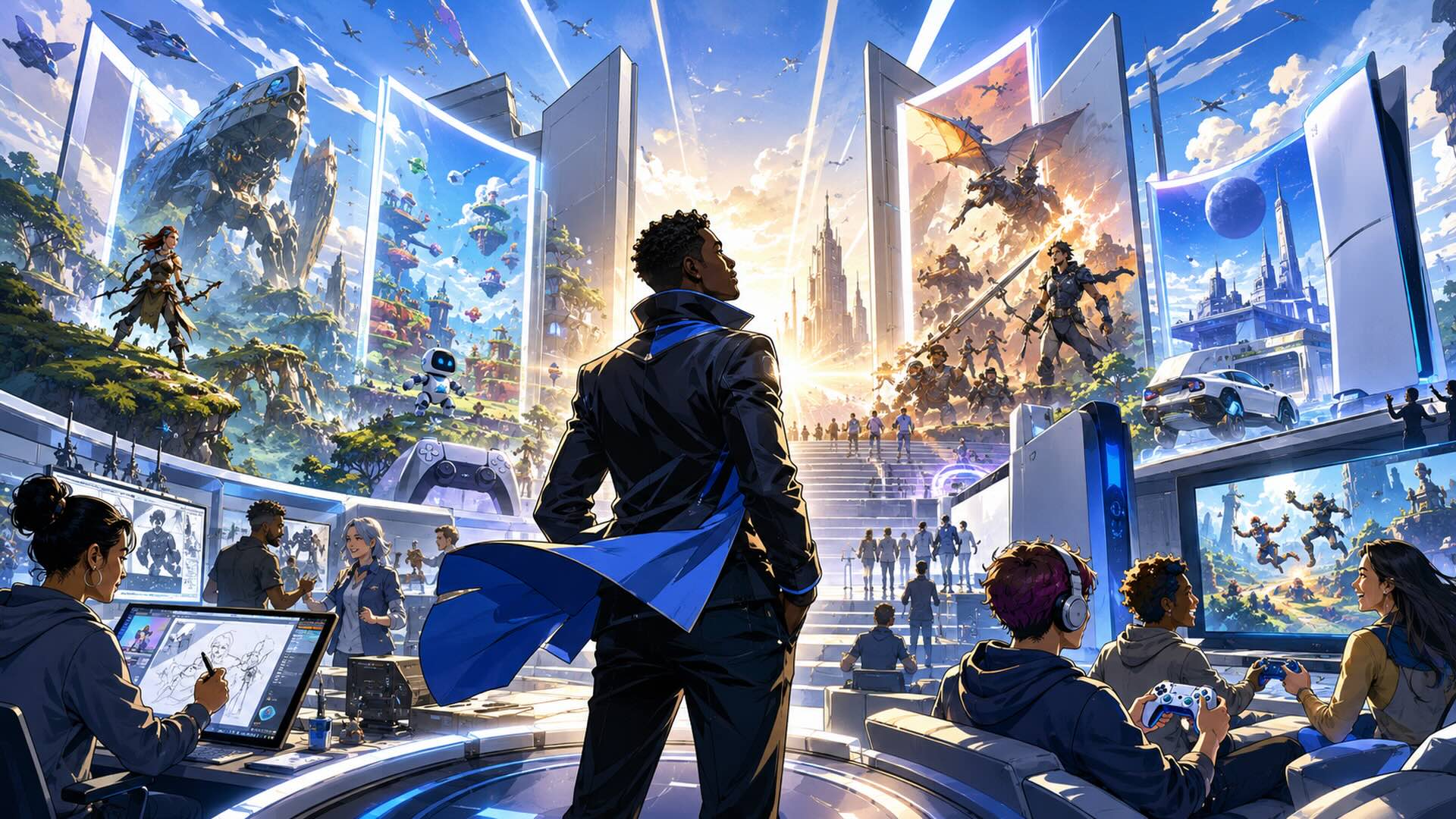
Japanese developers and industry commentators say it would be impossible for domestic studios to reproduce Hotta Studio’s PS5 gacha title NTE in Japan. The game, developed under Perfect World, has been a top PS5 download and attracted a large Japanese player base.
The discussion began after consultant Alwei posted on X describing NTE’s open world and scalability as “terrifying,” and argued matching that scale in Japan would be impossible. Industry figures point to the amount of art, animation and live‑service support the game requires as factors that make replication difficult.
Several producers and commentators cited Japan’s recent labor law changes and stricter limits on overtime as constraints. They said those rules reduce available development hours compared with environments where studios can hire larger teams and schedule longer shifts.
Producer Ukyo highlighted the role of heavy investment in character animation and related media. He wrote that Chinese studios often fund short films, music and other promotional material that support a gacha economy by driving demand for new characters.
Ukyo also noted historical market differences. China’s console ban from 2000 to 2015 shifted development toward online and live‑service games. Those studios built experience and audiences around projects designed to be updated and expanded over time, rather than released as finished products.
Former PlayStation Studios head Shuhei Yoshida observed that games in China are strong “because they are made in an environment which allows for hiring a large number of personnel who can work long hours.” Analysts say the combination of workforce size, multimedia investment and a live‑service mindset helps explain the scale of projects like NTE.
NTE’s early performance underscored those points. The game has ranked among the PS5’s most downloaded titles for a week, with Japanese users accounting for a significant share. Developers pointed to the recurring content cycle required to sustain a gacha model: frequent character releases, cinematic promotion and ongoing updates.
Industry participants also pointed to Japan’s existing strengths. Recent single‑purchase releases such as Pragmata and Resident Evil Re:Verse were cited as examples of polished titles that sell millions. Commentators said Japan’s market remains oriented toward finished narratives and high production values for standalone games.
The conversation has led publishers, studios and analysts to reexamine funding models, labor practices and strategic priorities. Some companies are assessing whether to invest in long‑term live‑service projects that require larger teams and continuous content, while others plan to continue focusing on completed, single‑release titles.
The content on our website is provided for informational purposes only. We strive to keep our news accurate and up to date, but we cannot guarantee its completeness, reliability, or absolute accuracy.
ps5.news is not responsible for any errors, omissions, or decisions made based on this content. Any actions you take after reading our materials are at your own risk. Always verify important information through official sources where possible.
Articles by this author